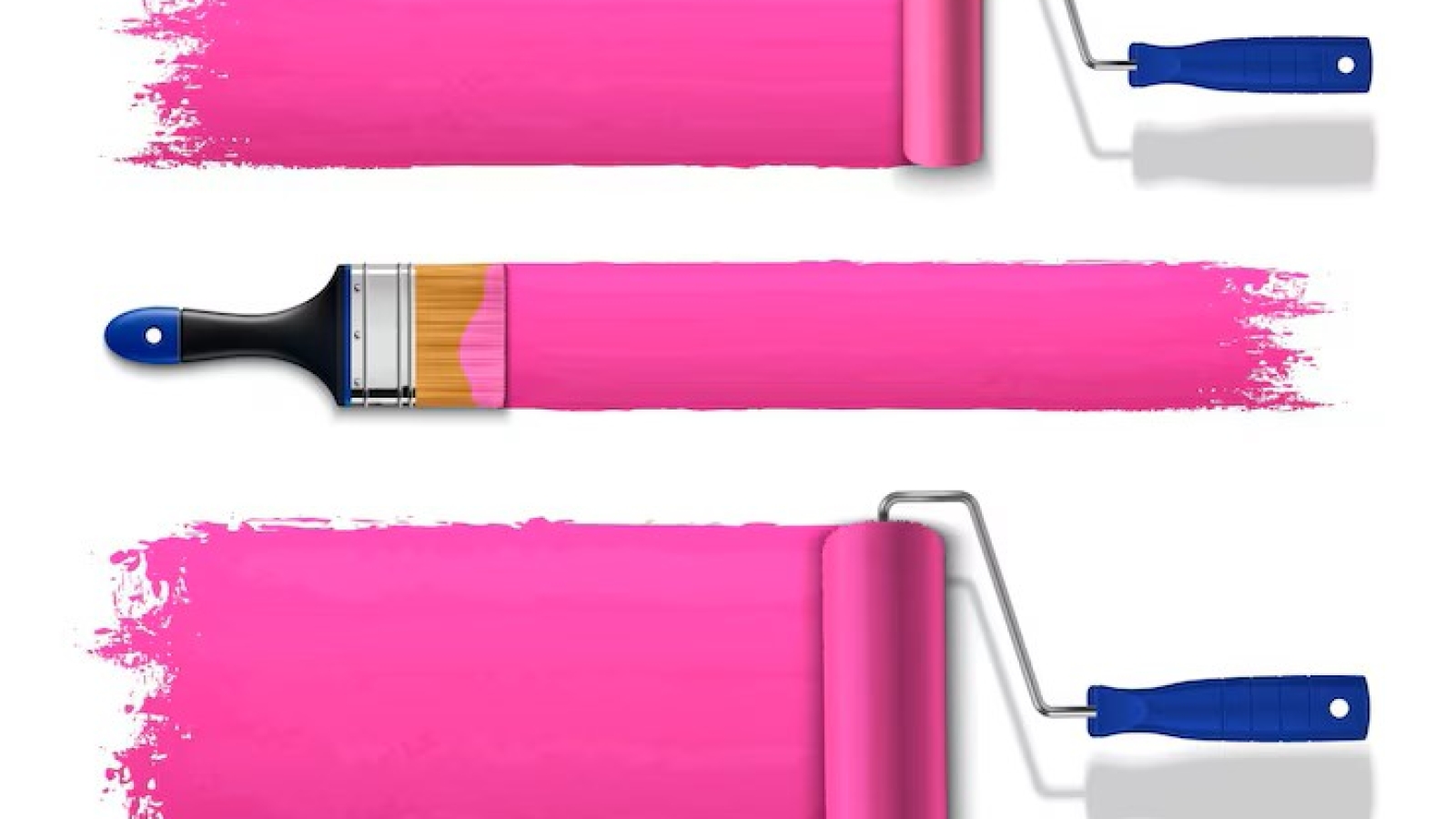
When it comes to painting your walls, the tools you choose can make all the difference between a smooth, professional-looking finish and a patchy, uneven surface. The two most commonly used tools—paintbrushes and rollers—each have their own advantages, and knowing when to use which one can save time, reduce effort, and improve your final result. So, when you’re standing in the paint aisle wondering whether to pick up a brush or a roller, here’s what you need to know.
Paintbrushes are the more traditional tool and are incredibly versatile. They’re best used for detailed work, such as painting edges, corners, trims, moldings, or narrow surfaces like window frames and door panels. Brushes allow for more precision, making them ideal for cutting in at wall edges or painting around outlets and tight spots where rollers simply can’t reach. They come in different sizes and bristle types, including natural bristles for oil-based paints and synthetic bristles for water-based paints like the eco-friendly options from Happy Home Paint. The biggest advantage of a brush is control—you can apply paint exactly where it’s needed without splashing or overlapping areas.
But while rollers are fast and effective, they lack the finesse of a brush. It’s difficult to paint edges and corners without accidentally overlapping onto adjoining surfaces. That’s why professional painters often use both tools in combination—a brush for the fine lines and trims, and a roller for the larger wall areas. This method, often called “cutting in,” allows you to get the best of both worlds: speed and precision.
Other factors to consider include the type of paint, the surface you’re painting, and the finish you desire. Glossy paints, for instance, tend to highlight brush strokes, so rollers might be the better option in those cases. On the other hand, textured finishes like decorative patterns or dry brushing techniques require the unique touch of a brush.
In conclusion, neither brushes nor rollers are universally better—they each have their place depending on the project. For intricate, small, or high-detail areas, a paintbrush is the go-to tool. For fast, smooth coverage on large surfaces, a roller is your best friend. Using them together ensures a professional-quality finish, making your home painting experience more efficient and satisfying. So next time you gear up for a paint job, consider your surface, your paint, and your goal—then choose your tools wisely
Leave A Comment