modern-luxury-authentic-dining-room-interior-design_53876-129842

Creating an Accent Wall: Tips and Paint Ideas

An accent wall is one of the easiest and most stylish ways to transform a room without committing to a full makeover. By simply painting one wall in a different color or applying a unique design, you can instantly add depth, drama, and personality to any space. Whether you want to highlight a specific area or just break up a monochrome room, an accent wall can be your perfect solution. Here are some helpful tips and creative paint ideas to get you started.


📍 Choosing the Right Wall

The first step is selecting the right wall to accent. Ideally, choose a wall that naturally draws attention—like the one behind your bed, your sofa, a fireplace, or even a hallway end wall. Avoid walls with too many doors or windows, as they can interrupt the visual flow. Your accent wall should act as a focal point in the room, guiding the eye and enhancing the overall layout.


🎨 Picking the Perfect Color

Color choice is key when creating an accent wall. You want something that stands out from the other walls, but still complements the room’s existing color palette. Bold colors like navy blue, emerald green, terracotta, mustard yellow, or charcoal gray can add energy and depth. If you prefer a softer, calming effect, try muted tones like sage green, dusty rose, or pastel blue.

A good tip is to pull accent colors from existing décor, such as pillows, rugs, or artwork. This creates a more harmonious look while still making the accent wall pop.


🖌️ Creative Paint Techniques

If you want to go beyond a solid color, there are many creative paint techniques to make your accent wall truly unique:

  • Geometric Patterns – Use painter’s tape to create triangles, stripes, or hexagons with bold contrasting colors.
  • Ombre Fade – Blend one color into another for a gradient effect, moving from dark to light.
  • Textured Looks – Try sponge painting, rag rolling, or brushed techniques for added depth and interest.
  • Color Blocking – Paint large blocks of different shades or create a two-tone wall for a modern vibe.

These techniques add an artistic touch and can completely change the feel of a room.


🏠 Room-Specific Accent Ideas

  • Living Room: Paint the wall behind your TV or sofa to create a cozy, grounded feel.
  • Bedroom: Accent the wall behind your bed with a dark or romantic shade to add depth.
  • Kids’ Room: Use bright, playful patterns or chalkboard paint for fun and functionality.
  • Home Office: Use bold or energetic tones like orange or teal to stimulate creativity.

Final Tips

  • Use low-VOC, eco-friendly paints like those from Happy Home Paint to ensure safety and sustainability.
  • Always test your color on a small patch before committing.
  • Make sure the rest of the room remains balanced—don’t let the accent wall overpower the space.

✨ Conclusion

An accent wall is a smart and stylish way to express your creativity and bring a room to life. With the right color, placement, and technique, you can elevate any space with minimal effort. Whether you go bold or subtle, modern or textured—an accent wall is your canvas. Let your walls speak your style!


Want this as a visual

clean-brush-paint-trails_23-2148263629

5 Unique Wall Paint Techniques

Giving your walls a fresh coat of paint is a simple way to transform your space—but why stop at a plain color? With just a bit of creativity and the right technique, your walls can become the standout feature of your home. If you’re looking to add texture, depth, or an artistic flair, here are five unique wall paint techniques you can try at home, even without professional experience.


1. Sponge Painting

Sponge painting is a fun and easy way to add texture and a soft, cloud-like effect to your walls. This technique involves dabbing a natural sea sponge into glaze or a secondary paint color and lightly pressing it onto the wall. You can use a single tone for a subtle finish or layer multiple colors for a richer effect. It works especially well for accent walls, bathrooms, or creative corners. The irregular patterns make it forgiving for beginners and add a natural, organic feel to the space.


2. Color Washing

Color washing is a decorative technique that creates a beautiful, aged, and slightly translucent finish—perfect for adding warmth and character. It involves brushing a thinned-down glaze or lighter paint color over a base coat using a rag or brush in sweeping, random strokes. This method gives your walls a soft, weathered look that mimics antique plaster or vintage finishes. It’s ideal for rustic, farmhouse, or Mediterranean-style interiors.


3. Ombre Walls

The ombre technique is all about smooth transitions—blending one color gradually into another from top to bottom or side to side. It adds a modern, artistic touch to any room and can make walls look taller or wider, depending on the direction of the fade. Start with three or more shades of the same color, and blend them using a roller and a clean brush or sponge. This style is perfect for bedrooms, nurseries, or creative studios where you want a calming gradient effect.


4. Strié (Brushed Stripe Effect)

Strié, which means “stripe” in French, is a technique that gives your wall a subtle fabric-like texture using vertical or horizontal brush strokes. It’s usually achieved by dragging a dry brush through a glaze layer over a solid base coat. This technique mimics the look of linen or denim and adds a touch of elegance to any space, especially in formal dining rooms, living areas, or hallways. The result is a clean, modern texture that works well with neutral tones.


5. Geometric Patterns

If you want to make a bold statement, geometric painting is the way to go. Using painter’s tape, you can create sharp triangles, diamonds, stripes, or even complex hexagon patterns. Choose contrasting or complementary colors to really make the shapes pop. This technique brings a fresh, contemporary look to any room and is especially popular in kids’ rooms, offices, and feature walls. It requires a bit more time and precision but delivers striking results.


Final Thoughts

These wall painting techniques are not only budget-friendly but also a great way to express your creativity. Whether you’re going for soft textures or bold patterns, experimenting with these styles can breathe new life into your home. With a little patience and the right paint—like eco-friendly options from Happy Home Paint—you can turn any room into a person

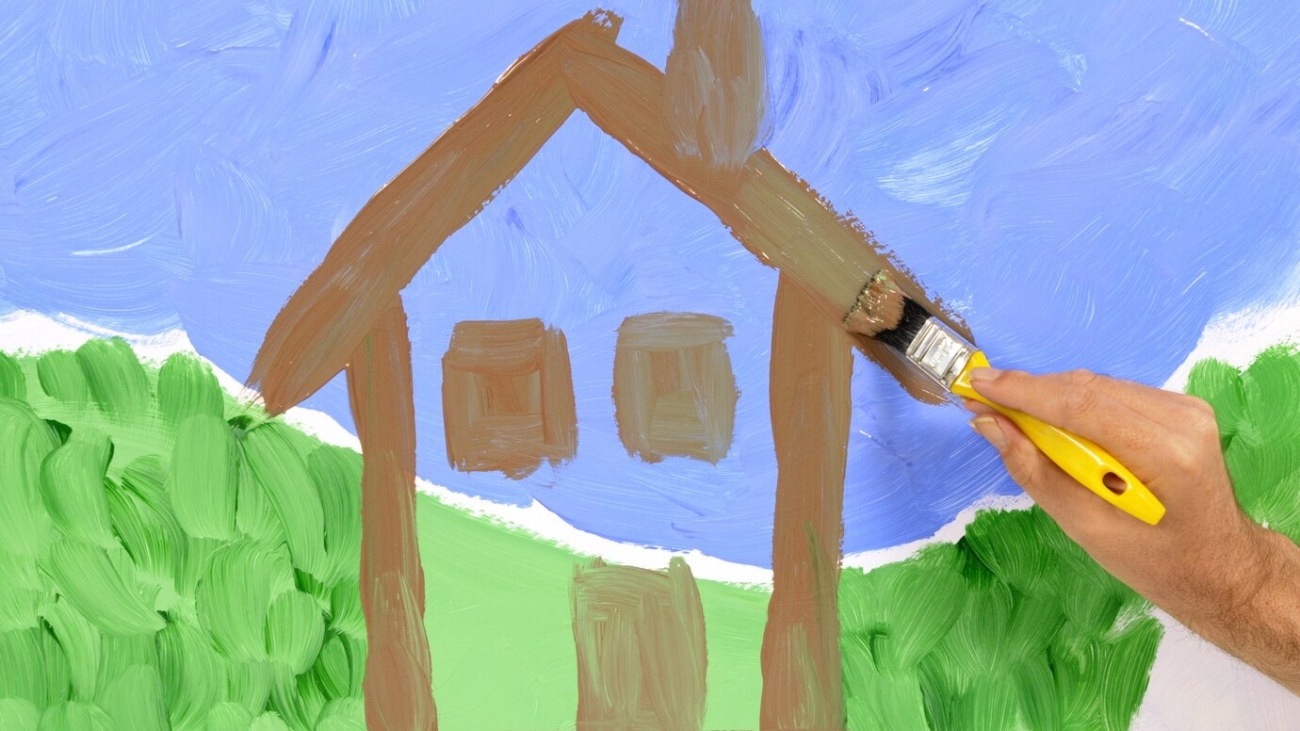
painting-house_1101-897

Eco-Friendly Painting Tips for a Greener Home

In today’s world, creating a sustainable and eco-friendly home is more important than ever, and one of the simplest ways to contribute is by choosing environmentally conscious methods when painting your space. Eco-friendly painting isn’t just about picking a pretty shade—it’s about protecting your health, your family’s well-being, and the environment. Traditional paints often contain high levels of VOCs (Volatile Organic Compounds), which release harmful chemicals into the air during and after application. These emissions can cause headaches, allergic reactions, respiratory issues, and contribute to indoor air pollution. By switching to low-VOC or zero-VOC paints, you significantly reduce these risks, creating a healthier indoor atmosphere, especially important in homes with children, elderly family members, or individuals with allergies.

One of the first steps in eco-friendly painting is to choose sustainable paint products. Look for paints labeled as low-VOC, non-toxic, natural, or Green Seal-certified. These paints are formulated without harmful solvents and are often made with water-based solutions and natural pigments. Brands like Happy Home Paint, for example, are now offering eco-conscious lines that combine durability, beautiful color ranges, and low environmental impact. Opting for these kinds of paints ensures that you’re not only improving the aesthetics of your home but also making a responsible choice for the planet.

Next, consider the tools and materials you use. Eco-friendly painting goes beyond the paint itself. Use reusable, biodegradable, or recyclable supplies wherever possible. Wooden handles instead of plastic, washable rollers and brushes instead of disposable ones, and metal trays instead of plastic alternatives can significantly cut down on waste. If you’re planning a DIY project, buy only the amount of paint you need to avoid excess that may be wasted or improperly disposed of later. Many hardware stores now offer paint calculators to help you estimate the correct quantity based on your room size.

In conclusion, going green with your next paint job doesn’t require major sacrifices—just a bit of planning and awareness. With the right choices in paint, tools, and preparation, you can beautify your space while staying kind to the environment. Eco-friendly painting helps you create a vibrant, safe, and sustainable home that you and future generations can enjoy with pride.